Posted on Facebook on 27 May 2013.
It is cold and foggy, and I am rushing toward the Tube station. Men with dark suits are bustling, walking briskly with newspapers folded neatly under their armpits.
There is a long, narrow horse-drawn carriage with very large wooden wheels being driven to the station ramp, which now appears to be sloping downwards. The carriage has large sacks of flour and two bundles of wooden sticks.
The young boy driving the carriage is struggling to turn it through the narrow sloping ramp. There is a torrent of people coming out the other direction. Among them are two slender Somali women covered with flour. I then realize that it is not the cargo of the carriage I just passed by, but grey ashes which made made them appear as if they had powdered their faces.
There is a policeman with a large motorcycle helmet guarding the entrance. He stops the boy and asks him for his papers. They have a long altercation about his cargo. The flow down to the station is clogged and I am starting to feel anxious that I will miss my train. As I inch my way towards the entrance I hear the policeman tell the young boy that there is a spelling mistake. “It is styx,” he told him, “not sticks”.
I manage to pass through this bottleneck and am walking freely towards the ticket turnstile that is guarded by another policeman, also with a motorcycle helmet. A man with a hat and a dark suit overtakes me. He gets his wallet out to show the guard his ticket. Suddenly two men with white flowing robes grab him each by an arm. He struggles to free himself from their clutches, but they point out that he is barefoot.
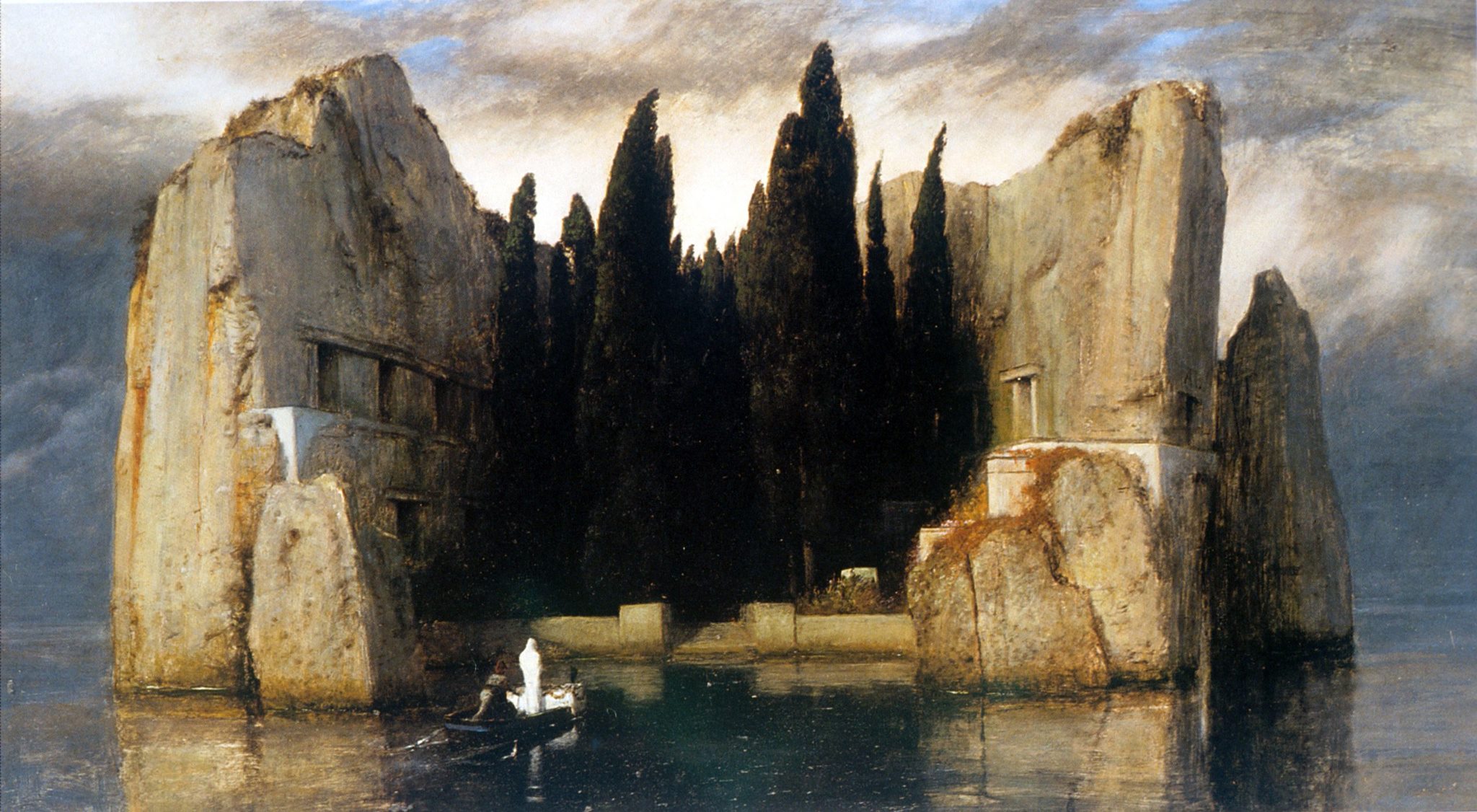
I tell them that he has done nothing wrong and that they should let him through. We argue for a long time my anxiety increasing as I fear I will miss my train, but I am a bit relieved to know that I am now close to the platform. I look passed the policeman and am confused to see no trains or platform. It is a river with a small boat ferrying passengers, one at a time to the other side.
The guards are blocking my way and are very firm. “We have clear orders to stop people who walk barefoot.” I am now choking, so I decide to turn back to get some fresh air, but one of the guards stops me. “You can’t leave,” he says. “You have no shoes on.” I look down and see that he is right. I am barefoot. “But I did have my shoes on when I walked through. Surely, you must have seen me a minute ago. I was just helping this man who was grabbed by the two male nurses.” But the guard wouldn’t budge.
I noticed that his helmet is not a motorcycle helmet but a glass sphere like the one astronauts or divers wear. I struggle hard to catch his eyes to implore him to let me through. But my own reflection woke me up with a start.